Woodland Hills Bathroom Painting Services & Guide


Why Bathroom Painting is different
When you hire our crew for any residential or commercial project, you can relax. Our promise to you is that we'll get the job done, to your full satisfaction. We'll show up on time, do the job beautifully and always stay on budget. It’s how we work, and how we've always worked. That's why we've been in business for more than 30 years.
Bathroom Painting & Moisture Info
Bathrooms require paints specifically formulated to handle moisture, humidity, and frequent temperature changes. Standard wall paint can fail quickly in these conditions, leading to peeling, blistering, or mildew growth.
We use moisture-resistant interior paints designed for high-humidity environments. These coatings contain mildewcides and tighter film formation to reduce water absorption and surface breakdown.
Finish selection also matters. Semi-gloss and satin finishes are commonly recommended for bathrooms because they resist moisture better and allow for easier cleaning compared to flat paints. When flat finishes are used, they are applied selectively and only where ventilation and exposure allow.
Climate Consideration for Bathroom Painting
Woodland Hills experiences warm summers, cooler winters, and seasonal humidity shifts that affect interior paint performance—especially in bathrooms. Steam from showers combined with temperature changes can cause expansion and contraction on painted surfaces.
Proper ventilation and paint selection are critical in Southern California homes. We account for local climate conditions by using breathable coatings that allow moisture vapor to escape without compromising adhesion.
Surface preparation is adjusted based on climate exposure, including sealing porous drywall, repairing micro-cracks, and ensuring surfaces are fully dry before paint application. This helps extend the lifespan of the finish in Woodland Hills homes.
Wear, Tear & Daily Bathroom Use
Bathrooms are one of the most frequently used spaces in a home, which makes them more susceptible to wear and tear. Frequent cleaning, splashing water, and contact around sinks, vanities, and door frames can quickly degrade improperly applied paint.
High-traffic areas require durable coatings with proper adhesion and curing time. We focus on reinforced coverage in common contact zones and ensure edges, corners, and trim areas are fully sealed.
Our application process is designed to withstand regular cleaning without dulling, streaking, or premature fading—helping your bathroom maintain a clean appearance over time.
Surface Preparation and Moisture Control
Successful bathroom painting starts with proper surface preparation. Moisture exposure can reveal hidden issues such as drywall damage, previous paint failure, or surface contamination from cleaning products.
Before painting, surfaces are inspected, cleaned, repaired, and primed as needed. Moisture-resistant primers are used to improve adhesion and block stains or discoloration.
This preparation step is essential for preventing bubbling, peeling, and uneven finishes—especially in bathrooms without strong ventilation systems.


Choosing a Bathroom Theme
Choosing the right bathroom theme involves more than color preference. Bathrooms are exposed to moisture, temperature changes, and frequent cleaning, all of which affect how paint performs over time. A well-chosen theme balances appearance with durability, ensuring the space looks consistent, clean, and holds up under daily use. We help homeowners select finishes and layouts that align with lighting, materials, and long-term maintenance needs.
How Moisture Impacts Bathroom Design Choices
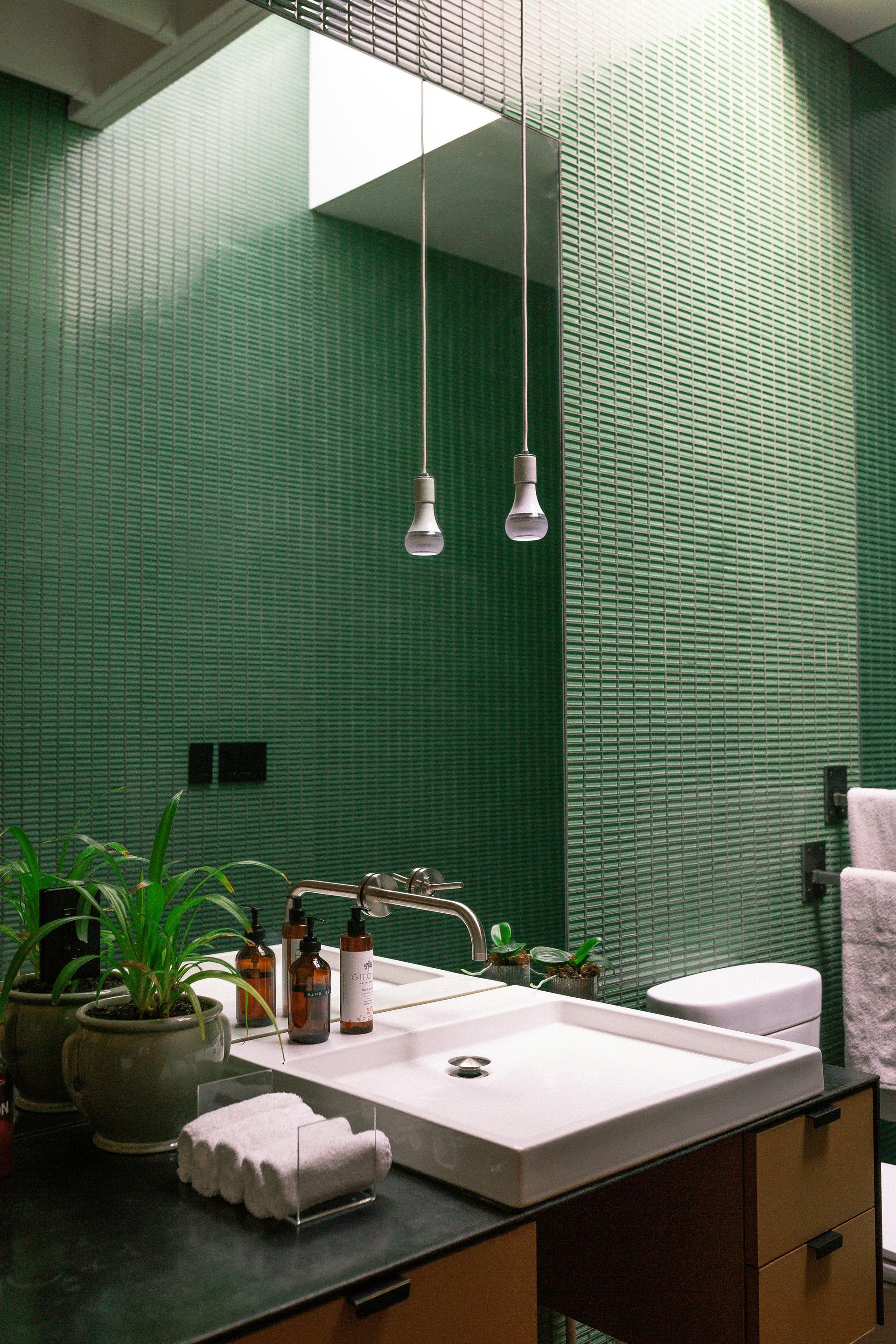
Bathrooms generate high humidity, especially during showers and baths. Darker or flat finishes can highlight moisture marks or uneven drying if not applied correctly. Lighter tones and controlled sheen levels help reflect light evenly and reduce the appearance of condensation-related streaking. Theme selection should always consider how moisture interacts with paint over time.
Coordinating Paint with Tile, Fixtures, and Lighting
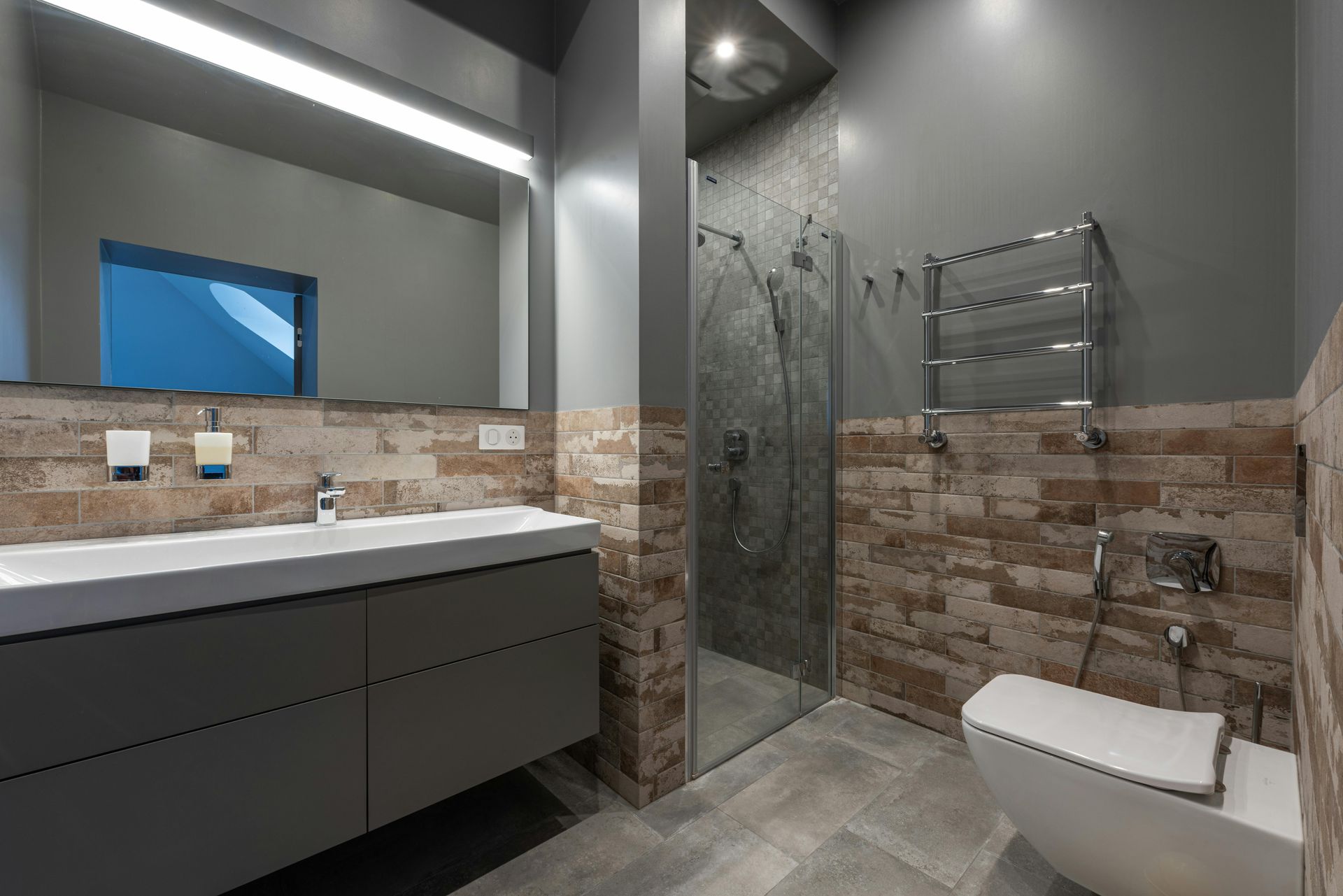
Bathroom themes must account for fixed elements like tile, countertops, cabinetry, and metal fixtures. Paint colors react differently under artificial and natural light, especially in smaller spaces. We evaluate undertones and reflectivity to ensure wall colors complement existing materials without overpowering the space.
Balancing Style with Long-Term Durability
Trendy bathroom colors may look appealing initially but can fade, scuff, or show wear faster in humid environments. We guide homeowners toward theme choices that remain visually stable over time, reducing the need for frequent repainting or touch-ups.


One or Multi-Color Bathrooms
Bathrooms often include multiple surfaces—walls, ceilings, trim, niches, and accent areas—which makes color transitions more complex than in other rooms. Whether using a single color or multiple tones, precision is required to maintain clean lines and consistent coverage. Proper planning ensures color changes enhance the space without creating visual clutter or uneven finishes.
Material Transitions and Paint Compatibility
Bathrooms commonly feature transitions between drywall, cement board, wood trim, and previously painted surfaces. Each material absorbs and holds paint differently. When multiple colors are used, proper primers and compatible coatings are essential to prevent flashing, uneven sheen, or premature wear at transition points.
Precision Cut-Ins and Edge Control
Multi-color bathrooms require sharp cut-ins around mirrors, vanities, tile edges, and fixtures. Minor inconsistencies are more noticeable in high-contrast areas. Our application process focuses on controlled edges and uniform coverage to ensure color separation remains clean and intentional.
Wear Patterns in Multi-Color Spaces
High-contact areas—around sinks, doors, and towel bars—experience more wear than other sections of the bathroom. Color placement must account for these zones to prevent uneven aging. Durable finishes and reinforced coverage help maintain a consistent appearance across all painted surfaces.
Choosing the Right Color for Your Bathroom Walls
Color Consultation and Selection
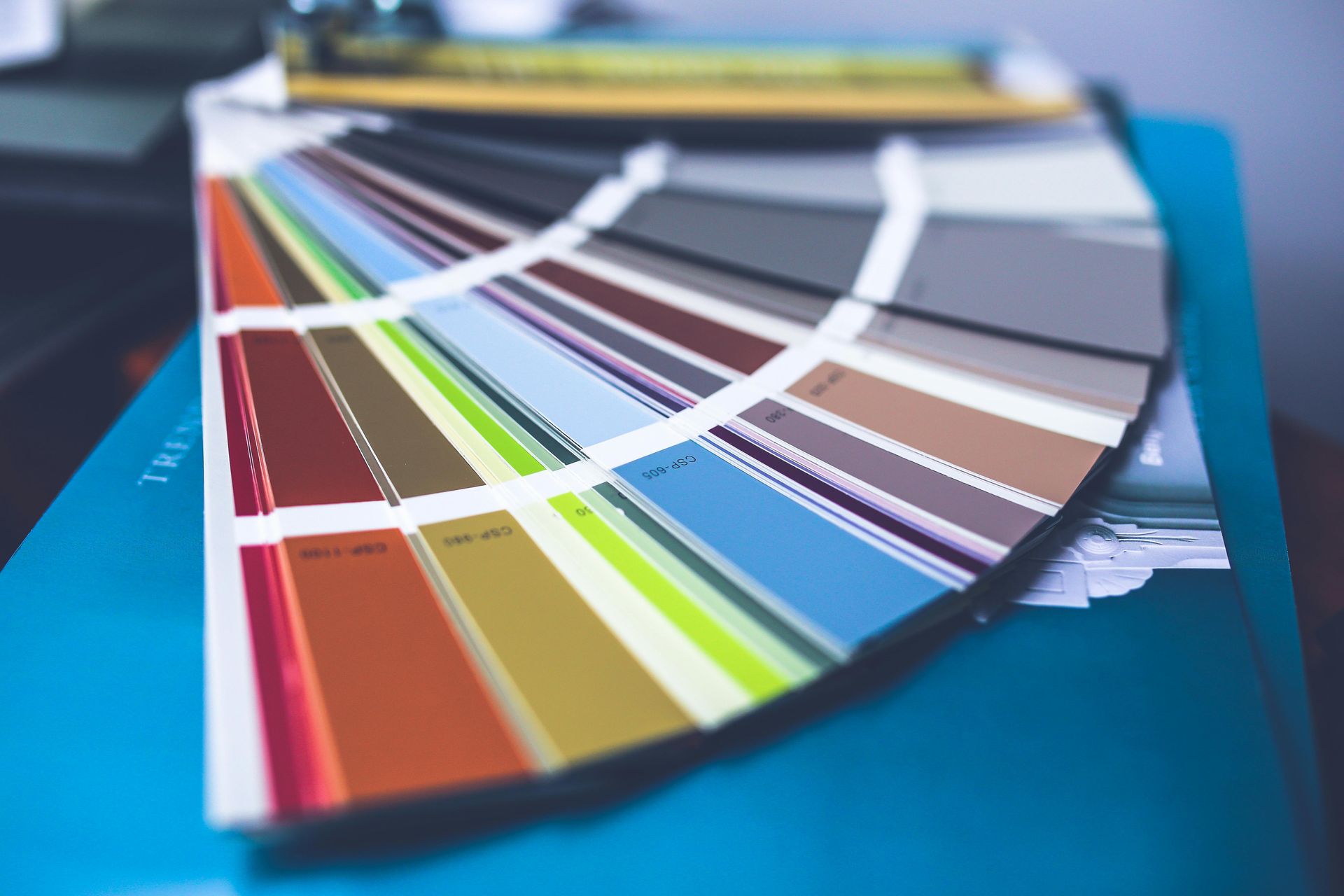
We give you access to hundreds of color combinations and styles—ranging from crisp whites and soft neutrals to rich, dark tones and true black. During your consultation, we’ll walk through the full range together and help you narrow the options to three to five top contenders that work with your lighting, layout, and finishes.
Once selected, we’ll properly prep a test area so you can see each color in real conditions. After you choose the final winner, we purchase the paint in bulk—saving you money upfront and ensuring you have matching paint available for future touch-ups or updates.
The Perfect Mix & Application
Once your color is selected, we mix and apply each product according to manufacturer specifications and project conditions. This ensures consistent color, proper coverage, and long-lasting performance—especially in moisture-prone spaces like bathrooms.
Before painting begins, we prepare all surfaces carefully, address imperfections, and apply the correct primers where needed. Our team uses professional application techniques to achieve smooth, even finishes with clean edges and minimal disruption. The result is a durable, polished look that holds up over time and looks right from day one.
How it works
1
Contact us via our form or call us and we'll learn about your needs and timelines. We'll give you a minimum over the phone estimate.
2
We'll visit your home and walk the areas to be painted, go through the entire color selection process and then give you an exact quote right then and there.
3
We supply you with a day before prep checklist, and show up on time and complete the work as promised.
4
The final walkthrough goes over our work but also highlights how to keep the paint lasting longer and stronger with tricks of the trade and secrets.


