


The Delicacy of Painting Cabinets
Cabinet painting requires a higher level of preparation, precision, and product selection than standard wall painting. Cabinets are high-touch surfaces that must withstand frequent use, moisture, grease, and repeated cleaning without chipping, peeling, or showing uneven wear.
Our cabinet painting process focuses on surface integrity, finish consistency, and long-term durability. From flat slab doors to detailed profiles, every surface is treated individually to ensure clean edges, smooth finishes, and professional results that elevate the entire kitchen or storage space.


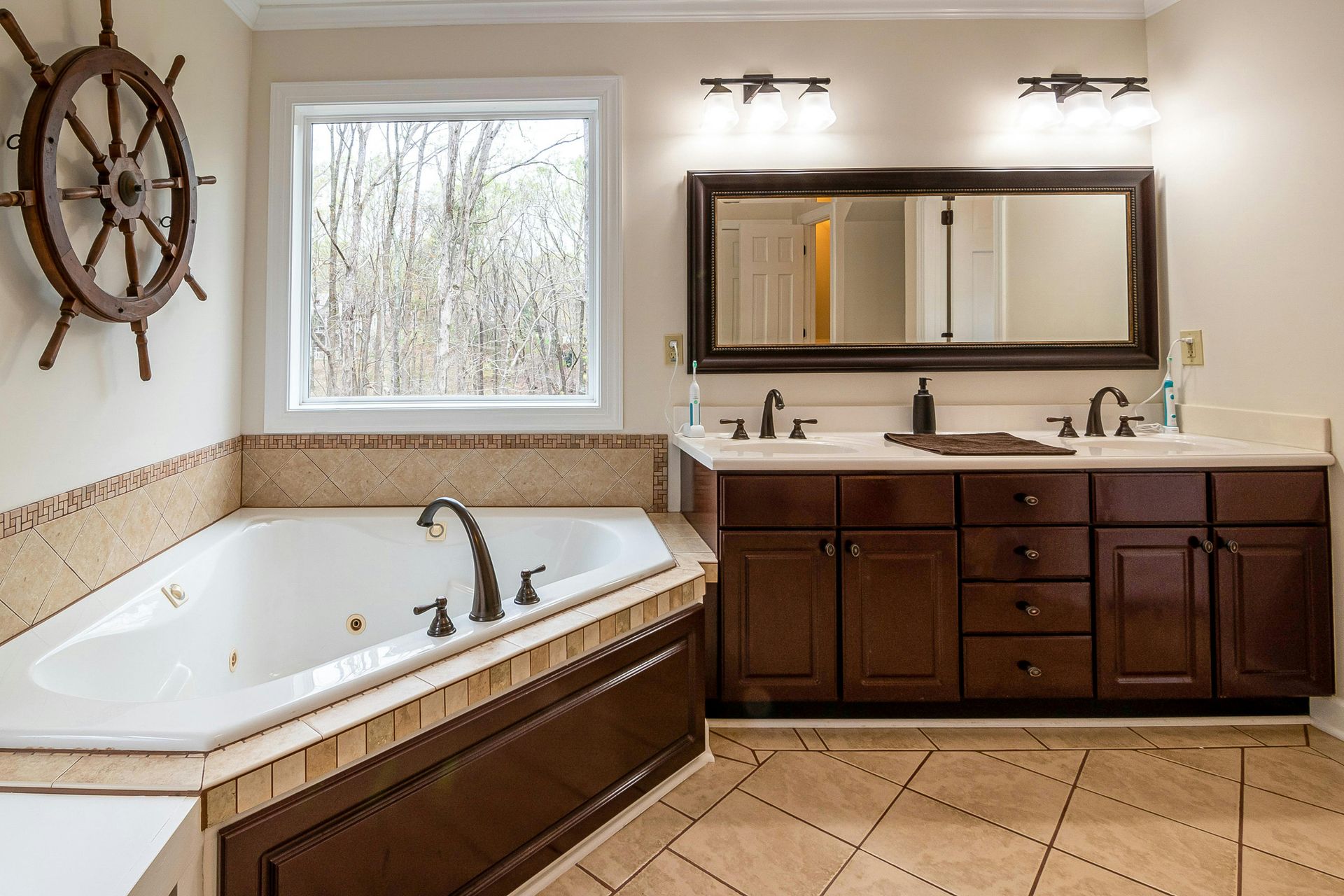
Kitchen Cabinets
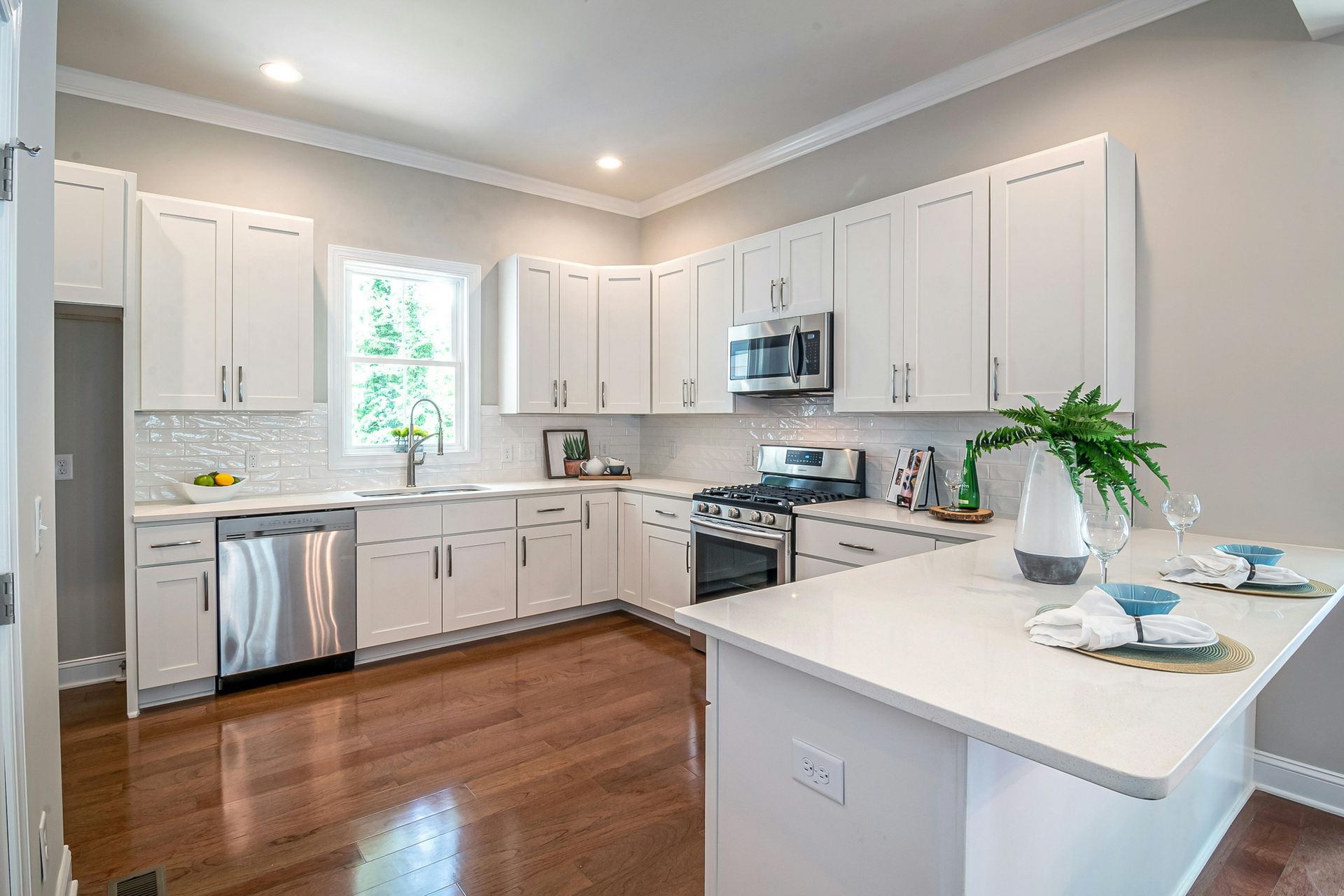
Kitchen cabinets endure daily exposure to heat, grease, steam, and frequent contact. Painting or staining kitchen cabinets requires products and preparation methods designed to resist staining, moisture absorption, and surface breakdown over time.
We carefully clean, prep, and finish kitchen cabinets to ensure consistent color, smooth application, and a durable surface that holds up under heavy use. Cabinet doors are removed when needed to allow for full coverage, even curing, and professional-grade results.
Grease, Heat & High-Use Considerations
Kitchen cabinets accumulate airborne grease and residue that can interfere with paint adhesion. Surfaces are degreased and sanded to ensure proper bonding and long-term performance.
Paint or Stain Application for Kitchens
Paint provides a clean, uniform appearance ideal for modern kitchens, while stain preserves wood grain and adds warmth. Both require different preparation methods to prevent peeling, blotching, or uneven absorption.
Door & Drawer Removal Process
Removing cabinet doors allows for controlled sanding and application on all edges and profiles. This improves finish quality and prevents heavy buildup around hinges and hardware.


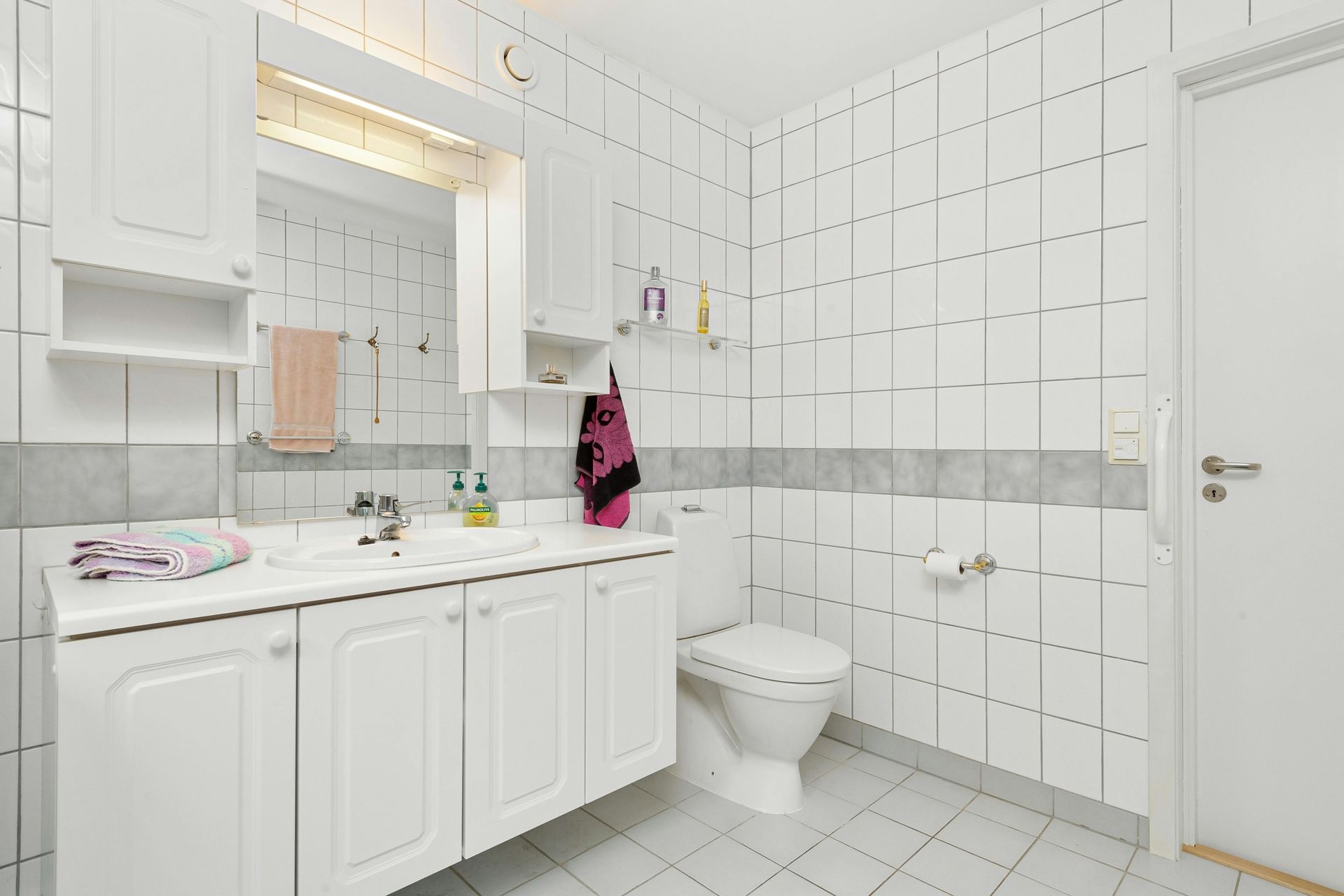
Bathroom Cabinet Painting
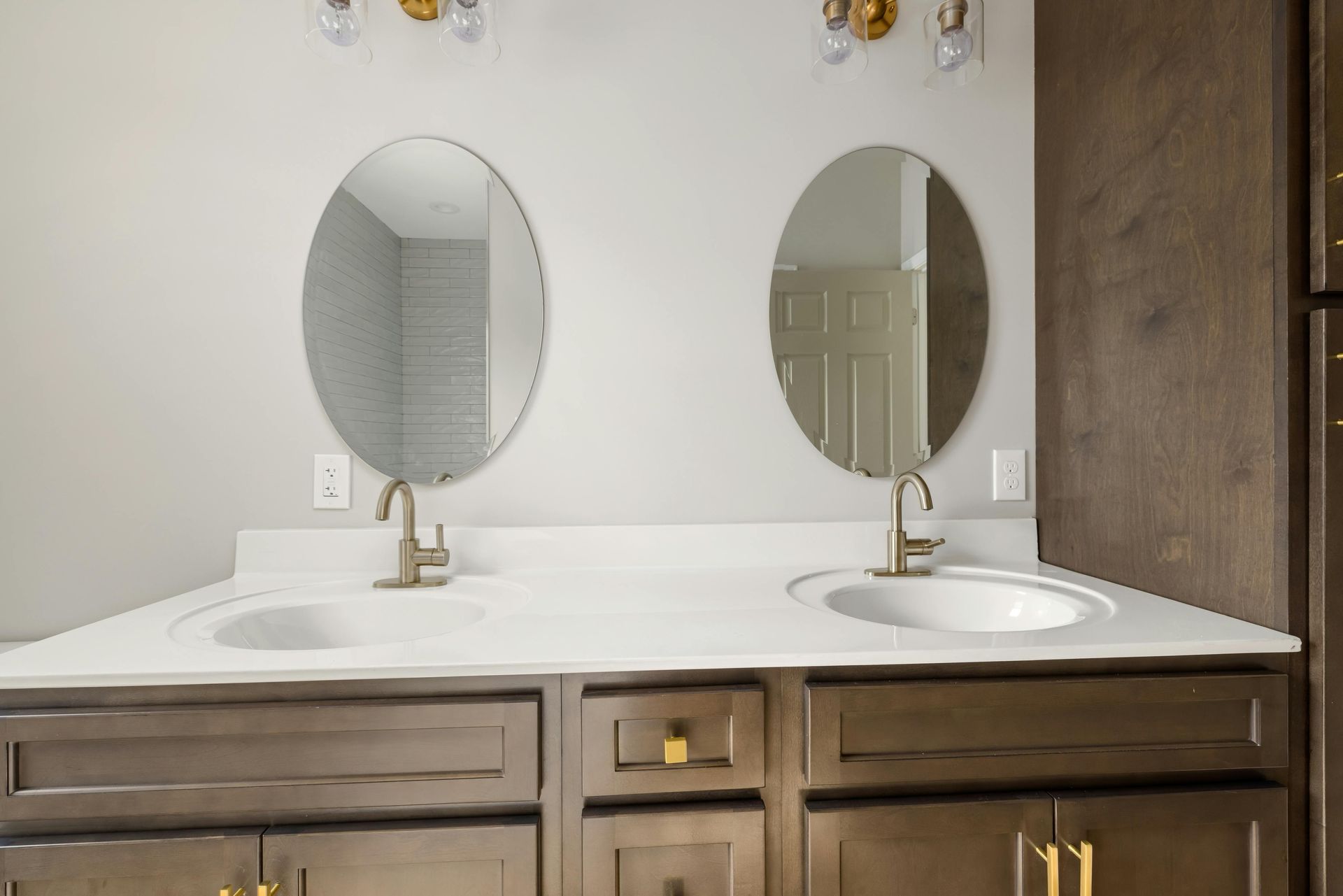
Bathroom cabinets are exposed to fluctuating humidity, moisture, and temperature changes that can affect finish longevity. Proper sealing and product selection are critical to prevent swelling, peeling, or surface breakdown.
Our bathroom cabinet painting process accounts for moisture exposure and ventilation conditions. Surfaces are prepared to resist humidity while maintaining a clean, polished appearance that complements the bathroom’s layout and lighting.
Moisture & Humidity Resistance
Bathroom environments require finishes that resist moisture penetration and repeated condensation. Proper priming and sealing help prevent surface failure over time.
Paint vs. Stain in Bathrooms
Paint offers a sealed, easy-to-clean surface, while stain enhances natural wood with protective penetration. Each option is evaluated based on cabinet material and bathroom usage.
Surface Prep & Long-Term Durability
Bathroom cabinets often show wear near sinks and hardware. We repair minor imperfections, sand thoroughly, and apply coatings designed for frequent cleaning and damp environments.
Choosing the Right Paint or Stain for Cabinets
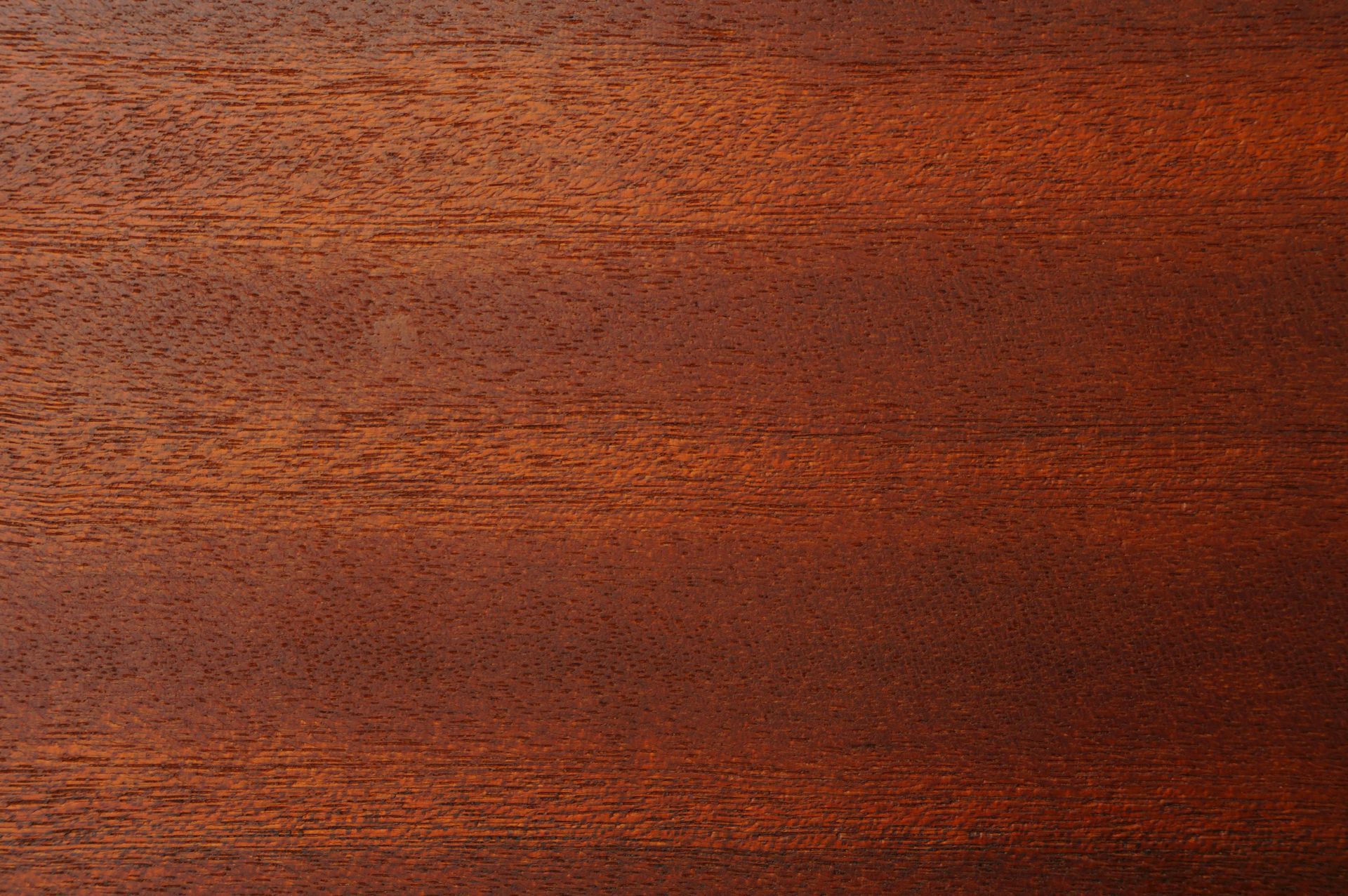
Is Cabinet Staining Right?
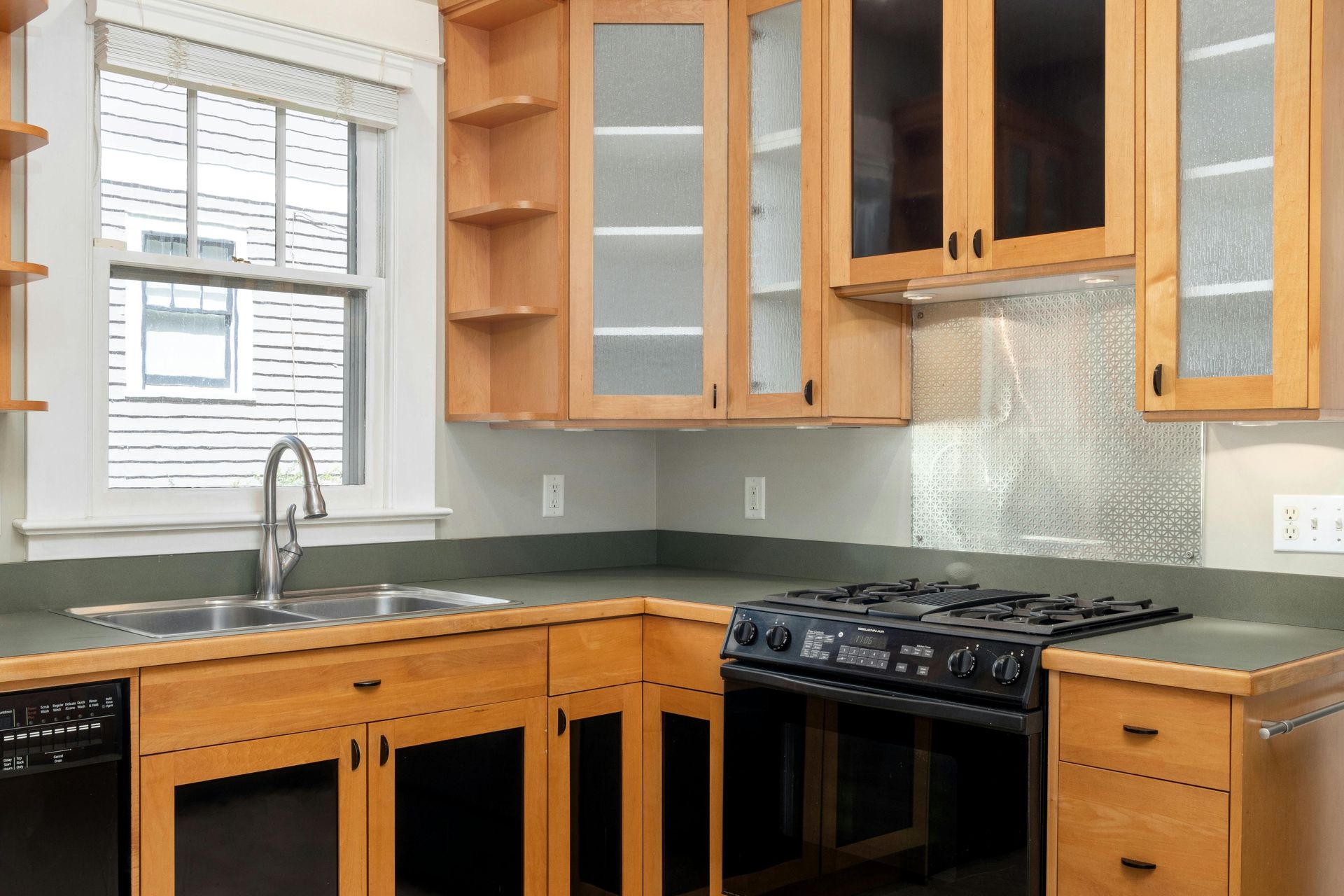
Cabinet staining is ideal for homeowners who want to preserve the natural character of real wood while adding protection and depth. Stain penetrates the wood surface rather than coating it, allowing the grain pattern, knots, and natural variation to remain visible.
Staining works best on solid wood cabinets that are in good structural condition. Because stain absorbs differently based on wood species and age, proper surface preparation and conditioning are critical to achieve an even tone. When done correctly, stained cabinets provide a durable, timeless finish that ages naturally and can be refreshed over time.
Is Cabinet Painting Right?
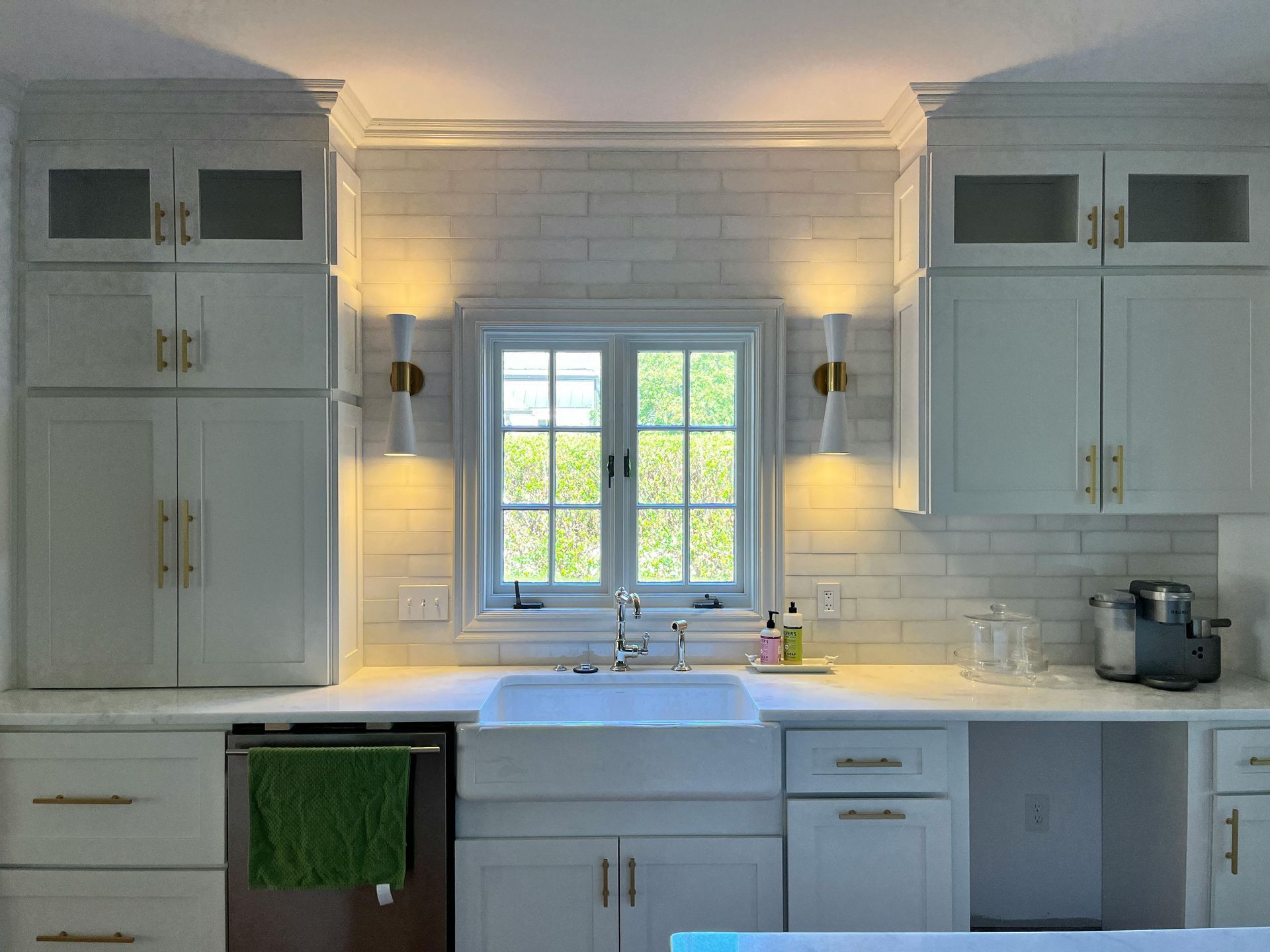
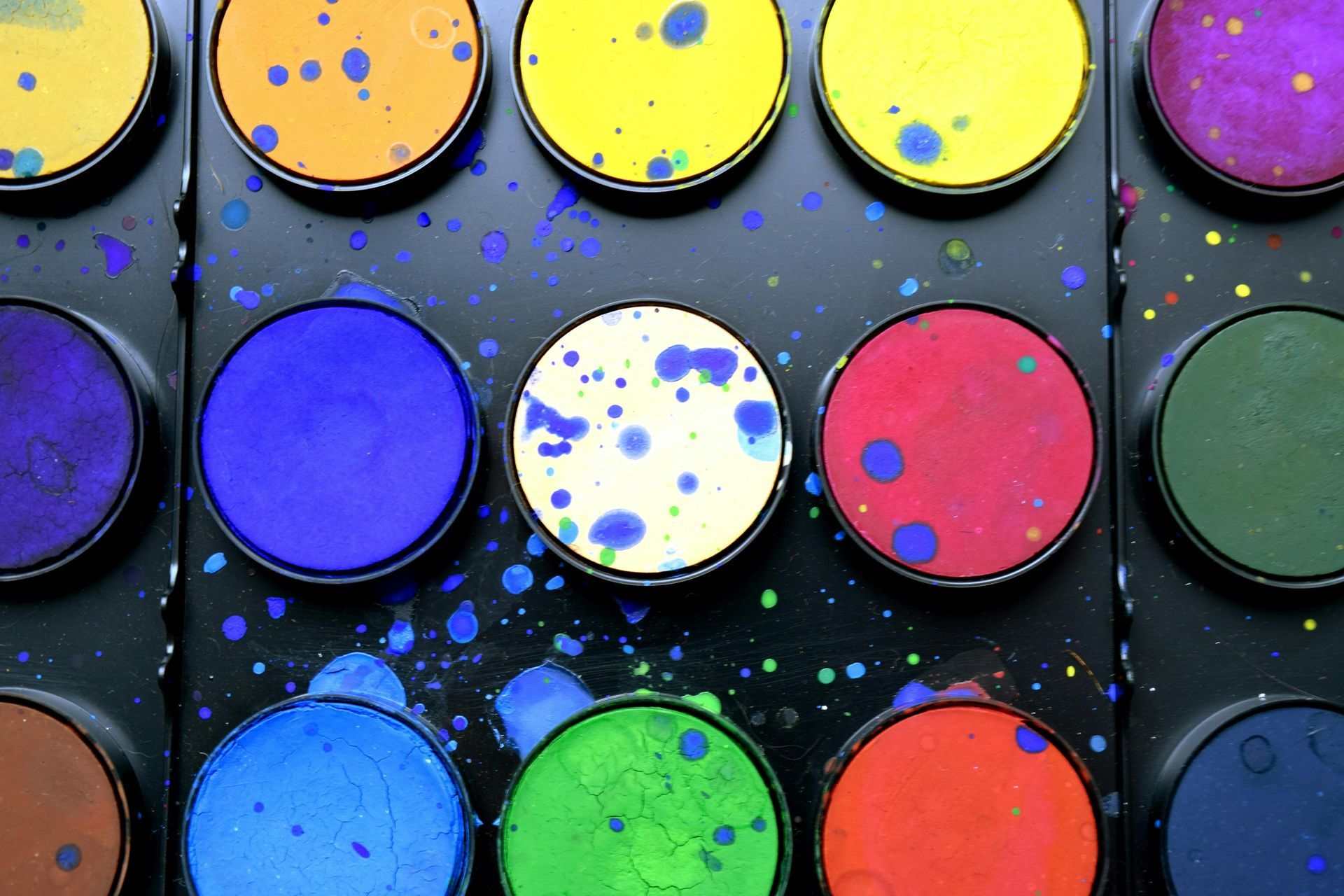
Cabinet painting creates a smooth, uniform finish that fully transforms the look of a kitchen or bathroom. Paint forms a sealed surface, making it easier to clean and better suited for areas with frequent contact, moisture, and daily use.
Before painting begins, cabinet surfaces are thoroughly cleaned, sanded, and primed to ensure strong adhesion. Doors and drawers are removed when necessary to allow for even application on all edges and profiles. Professional application techniques ensure consistent coverage, crisp lines, and a durable finish designed to resist chipping, peeling, and wear.
How it works
1
We assess your cabinet material, condition, and layout to determine whether painting or staining is the best option. We review wear patterns, moisture exposure, and usage to plan the proper preparation and application process.
2
All cabinet surfaces are cleaned to remove grease and residue, then sanded for proper adhesion. When needed, cabinet doors and drawers are carefully removed to allow for even coating, clean edges, and controlled curing.
3
Products are mixed and applied according to manufacturer specifications and the specific conditions of your space. Each surface is finished using professional techniques to ensure uniform coverage, smooth texture, and long-term durability.
4
Once finishes are fully cured, doors and hardware are reinstalled with precise alignment. The project is complete only after a final walkthrough confirms consistent color, smooth finishes, and full satisfaction.


