Woodland Hills Commercial Exterior Painting Services & Guide


We Tailor Your Exterior Painting to Your Business's Unique Needs
Commercial buildings vary widely in construction materials, surface conditions, exposure, and usage. Stucco, concrete, tilt-up panels, metal siding, and wood trim all require different preparation methods and coating systems to perform correctly over time.
A professional site evaluation allows us to assess surface conditions, access requirements, weather exposure, and operational considerations. This ensures the exterior paint system selected is appropriate for the building, compliant with regulations, and built to last—without disrupting daily business operations.


Surface Preparation, Repairs & Access Planning
Exterior commercial painting begins with thorough preparation. Over time, buildings develop cracks, peeling coatings, chalking, and surface damage that must be addressed before painting begins.
We handle surface cleaning, sanding, patching, minor repairs, and substrate preparation as part of the process. Access planning—such as lifts, scaffolding, or staged work zones—is coordinated in advance to maintain safety and efficiency throughout the project.
Cleaning, Pressure Washing & Surface Prep
Dirt, pollutants, and chalking reduce paint adhesion. Surfaces are cleaned and prepped to ensure proper bonding and uniform coverage.
Minor Repairs & Surface Patching
Cracks, gaps, and deteriorated areas are repaired to prevent moisture intrusion and premature coating failure.
Access, Safety & Scheduling
Commercial projects require proper access planning and safety controls. Work areas are organized to minimize impact on employees, customers, and tenants.


Commercial Exterior Painting Considerations
Commercial exteriors face constant exposure to sun, temperature changes, pollution, and foot traffic. Selecting the correct coatings and application schedule is essential to long-term performance.
We account for building orientation, climate conditions, color retention, and drying times to ensure finishes cure properly and maintain appearance. Projects are scheduled to reduce downtime and keep operations running smoothly.
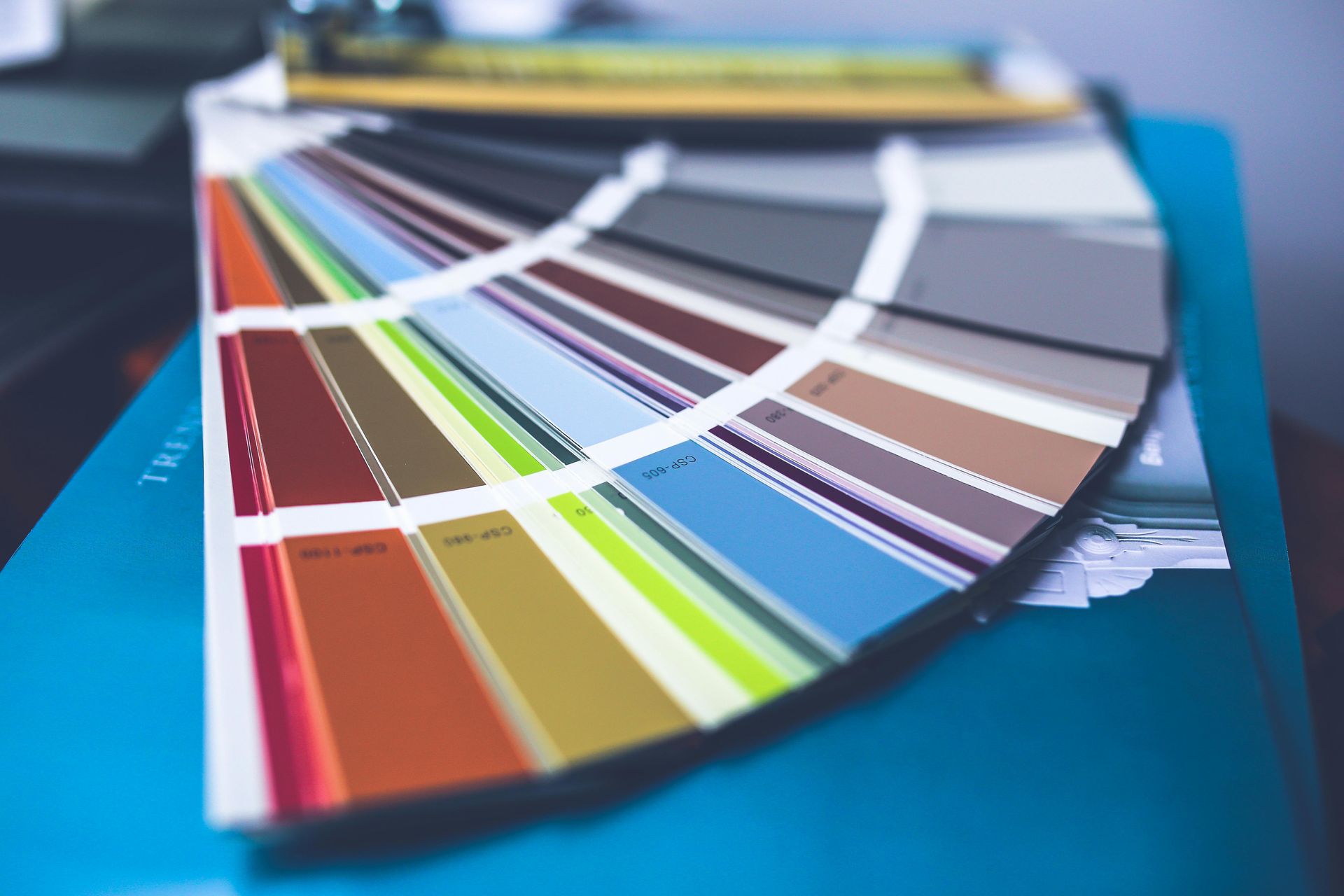
Color Selection & Brand Consistency
Exterior colors are selected to align with brand guidelines, visibility requirements, and property aesthetics while maintaining long-term fade resistance.
Weather & Application Timing
Temperature, wind, and humidity affect curing. Applications are timed to support proper drying and durability.
Durability & Maintenance Planning
Commercial coatings are chosen for longevity and ease of maintenance, reducing future repainting frequency.
Helping You with Commercial Painting Decisions
High Performance Coatings?
High-performance commercial coatings are ideal for buildings exposed to heavy sun, pollution, or high traffic. These systems offer superior adhesion, UV resistance, and protection against surface breakdown.
They are commonly used on stucco, concrete, metal, and masonry surfaces where long-term durability is a priority.
Budgeting and Is Standard Paint Enough?
Standard commercial-grade exterior paints work well for properties with lower exposure or recently maintained surfaces. These systems provide clean appearance, reliable protection, and cost efficiency when applied over properly prepared substrates.
The choice depends on building condition, usage, and long-term maintenance goals.
How it works
1
We review the property, identify surface conditions, access needs, and discuss timelines to create a clear project plan.
2
Surfaces are cleaned, repaired, and prepared. Surrounding areas, signage, landscaping, and walkways are protected.
3
Commercial-grade coatings are applied according to manufacturer specifications and site conditions to ensure consistent coverage and durability.
4
Once complete, a final walkthrough confirms finish quality, color consistency, and satisfaction before project closeout.


