
Woodland Hills Kitchen Painting Services & Guide


Why Kitchen Painting Is Different
Kitchens combine multiple surface types—walls, ceilings, cabinets, trim, and sometimes backsplashes—often within a small, high-traffic space. Paint in kitchens must withstand frequent contact, temperature changes, and regular cleaning without breaking down or losing its finish. Every step, from surface preparation to final coat, must be handled with care to ensure durability and consistency.
Heat, Moisture, and Airborne Grease
Cooking produces heat and airborne grease that can settle on painted surfaces. Without proper prep and the right coatings, paint can discolor, soften, or lose adhesion over time. Kitchen painting requires materials that resist buildup while maintaining a clean appearance.
High-Contact Zones and Wear Patterns
Areas around stoves, sinks, doorways, and dining spaces experience more wear than other rooms. Paint in these zones must be applied evenly and allowed to cure properly to resist scuffing, staining, and frequent wiping.
Surface Variety and Paint Compatibility
Kitchens often include drywall, wood trim, previously painted surfaces, and occasionally metal or laminate elements. Each material reacts differently to paint. Proper primers and compatible coatings are essential to prevent peeling, flashing, or uneven sheen.


Choosing a Kitchen Theme
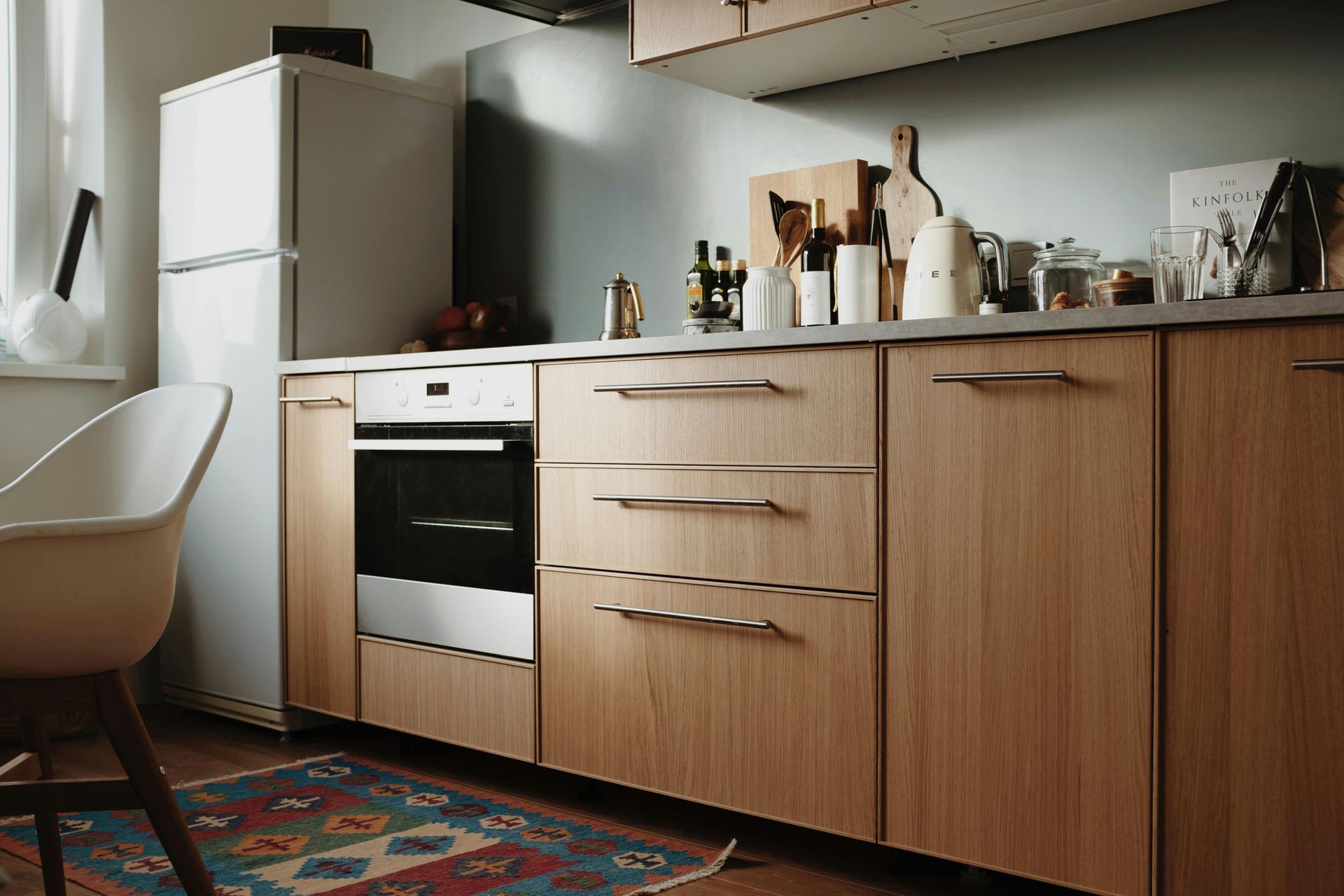
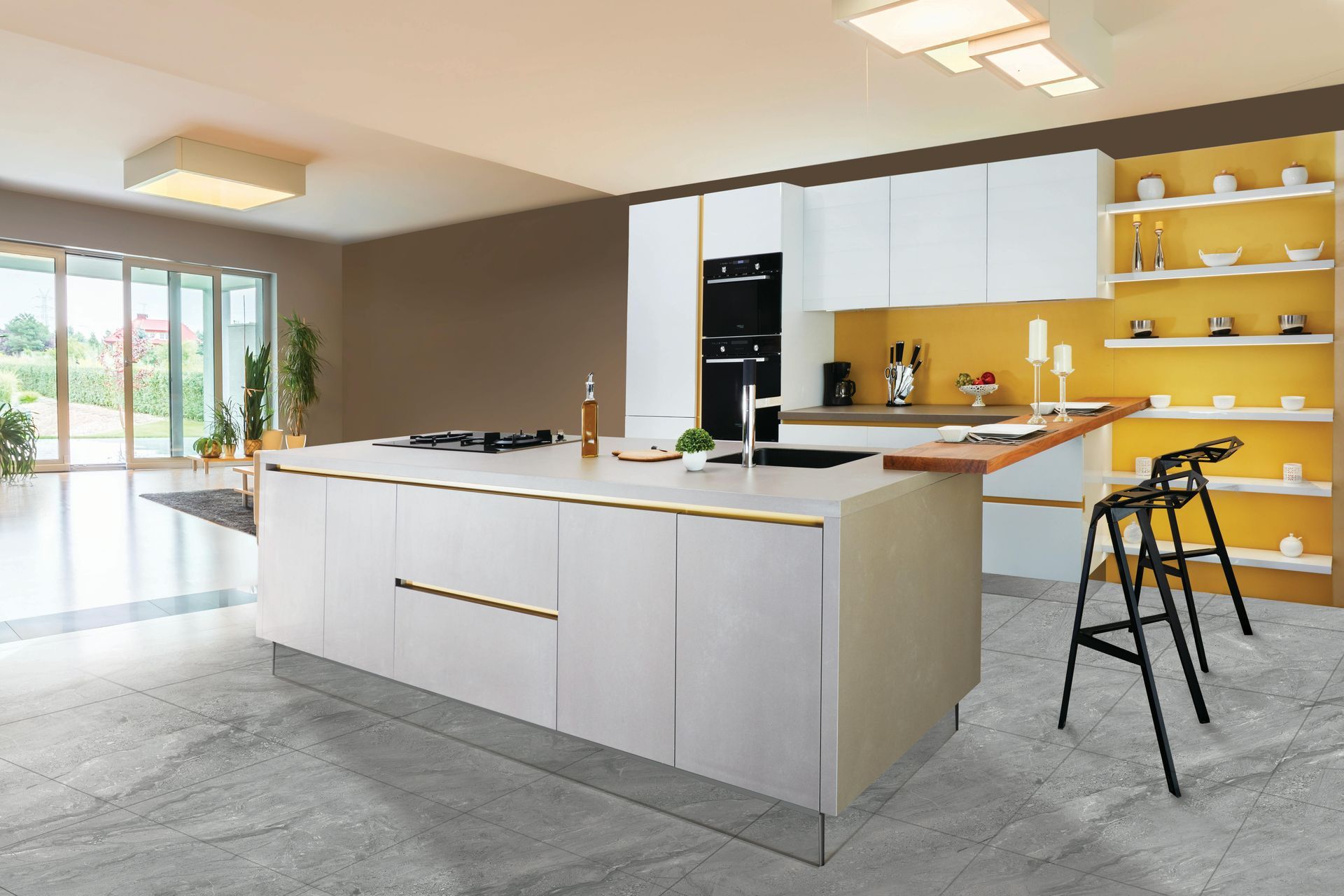
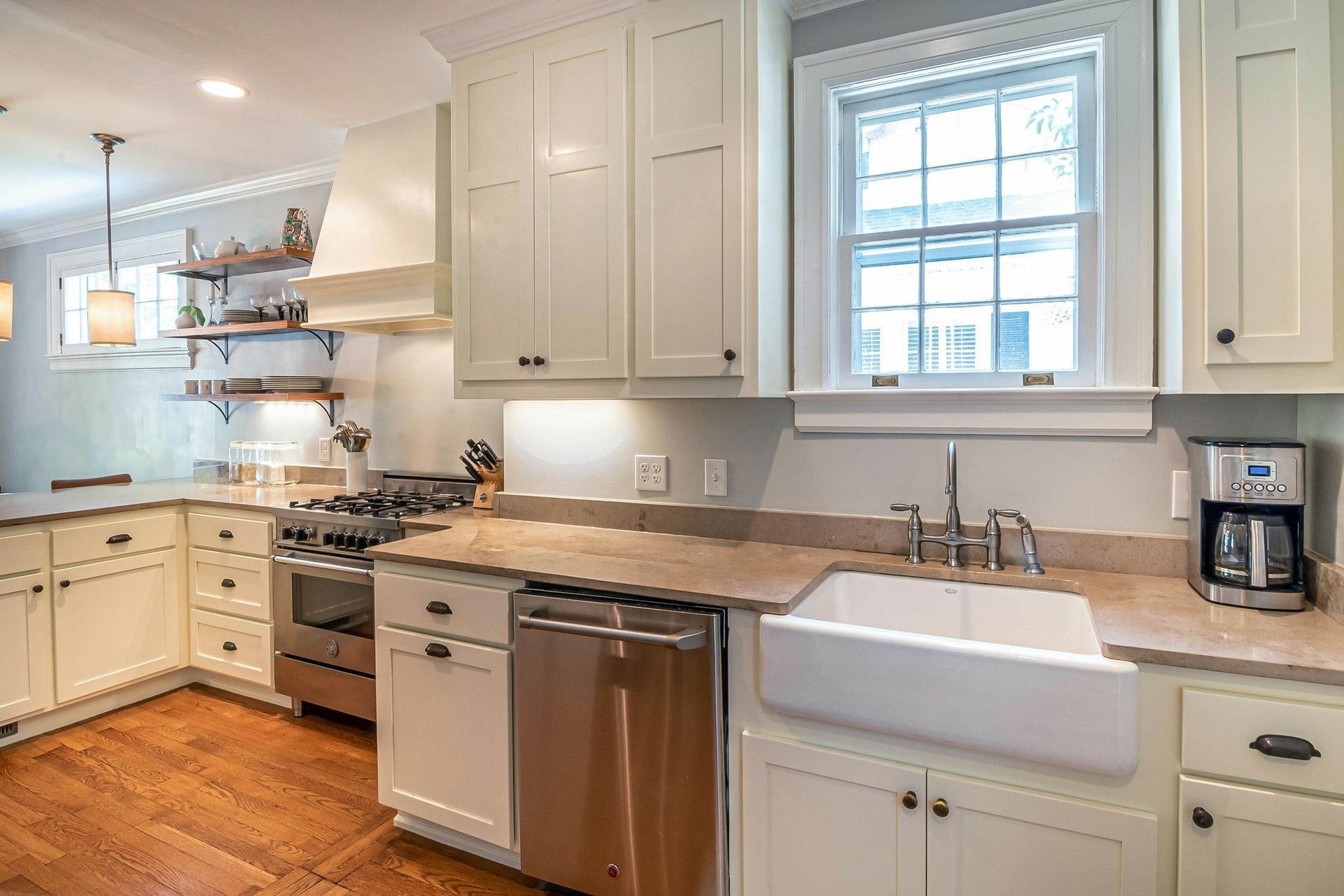
Kitchen color choices play a major role in how the space feels and functions. Colors must work with cabinetry, countertops, appliances, and lighting while remaining practical for daily use. A successful kitchen theme balances style with durability, ensuring the space remains clean and cohesive over time.
Coordinating Wall Colors with Cabinets and Counters
Paint colors should complement permanent elements such as cabinets, countertops, and flooring. Undertones become more noticeable under kitchen lighting, making careful color selection important to avoid clashes or unwanted color shifts.
Lighting and Color Reflection
Kitchens often rely on a mix of natural and artificial lighting. Some colors reflect light evenly, while others can appear darker or uneven under task lighting. Color selection should account for how the space is used throughout the day.
Timeless Choices vs. Trend Colors
Trendy kitchen colors may look appealing initially but can show wear faster or feel dated sooner. Durable, balanced tones often provide better long-term value and reduce the need for frequent repainting.


One or Multi-Color Kitchens
Many kitchens use more than one paint color to define spaces, highlight features, or create contrast. Multiple colors require precise planning and execution to maintain clean lines and consistent coverage throughout the room.
Clean Transitions Between Colors
Color changes around cabinets, backsplashes, and trim require sharp cut-ins and controlled application. Minor inconsistencies are more noticeable in kitchens due to lighting and proximity.
Finish Selection for Each Surface
Different areas of the kitchen may require different finishes. Walls, ceilings, and trim often perform best with finishes selected specifically for durability, washability, and moisture resistance.
Maintaining Consistency Over Time
Multi-color kitchens must age evenly. Proper application and curing help ensure colors retain their appearance despite frequent cleaning and daily use.
Choosing the Right Color for Your Kitchen
Color Consultation and Selection
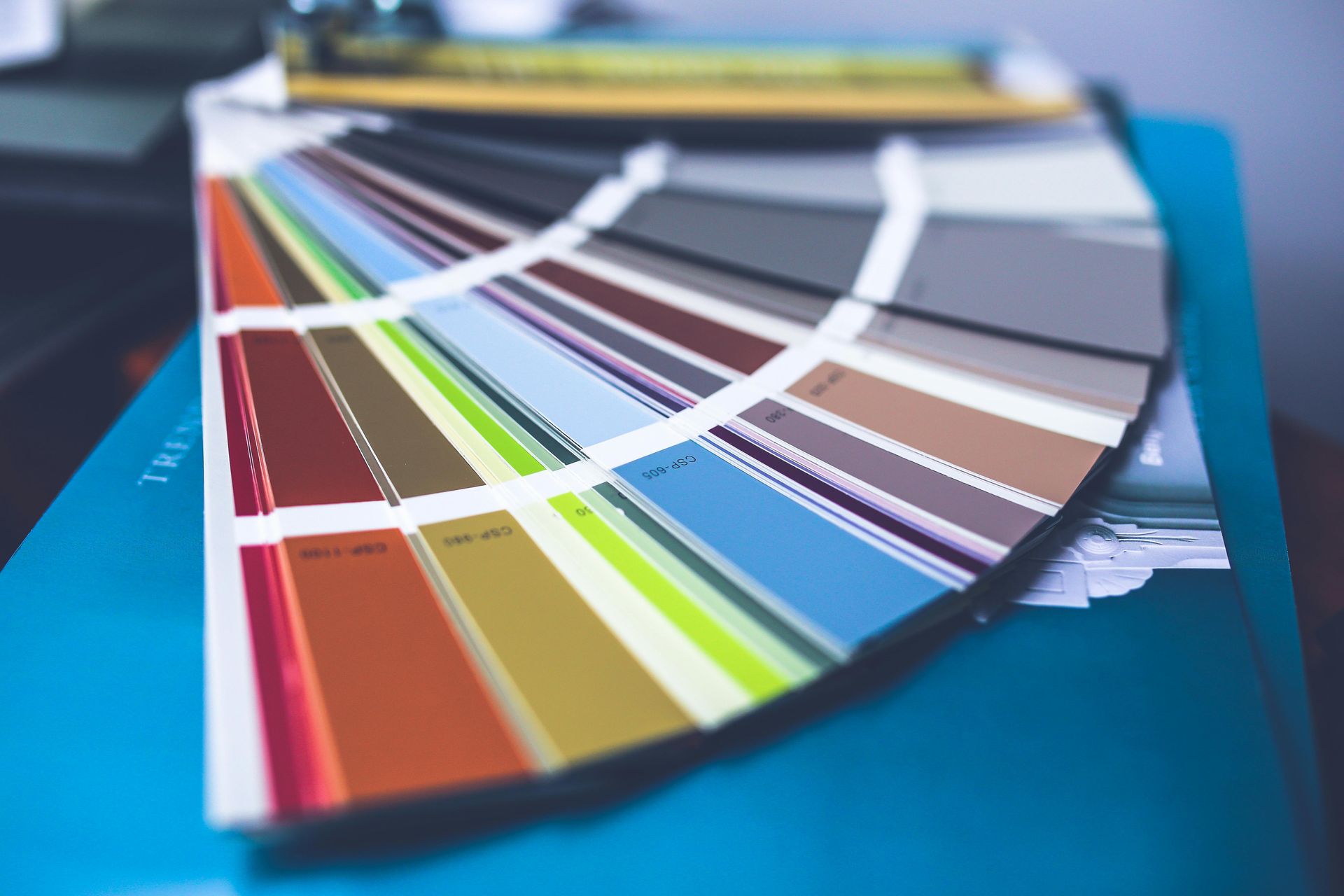
Kitchen color selection impacts how clean, bright, and functional the space feels. Because kitchens include fixed elements like cabinetry, countertops, appliances, and flooring, color choices must work in coordination with existing materials. During the consultation process, we evaluate natural and artificial lighting, surface finishes, and how the kitchen is used throughout the day.
Rather than overwhelming homeowners with endless options, we narrow selections to colors that perform well in kitchen environments. Test areas allow you to see how each color responds to changing light and surrounding finishes before a final decision is made.
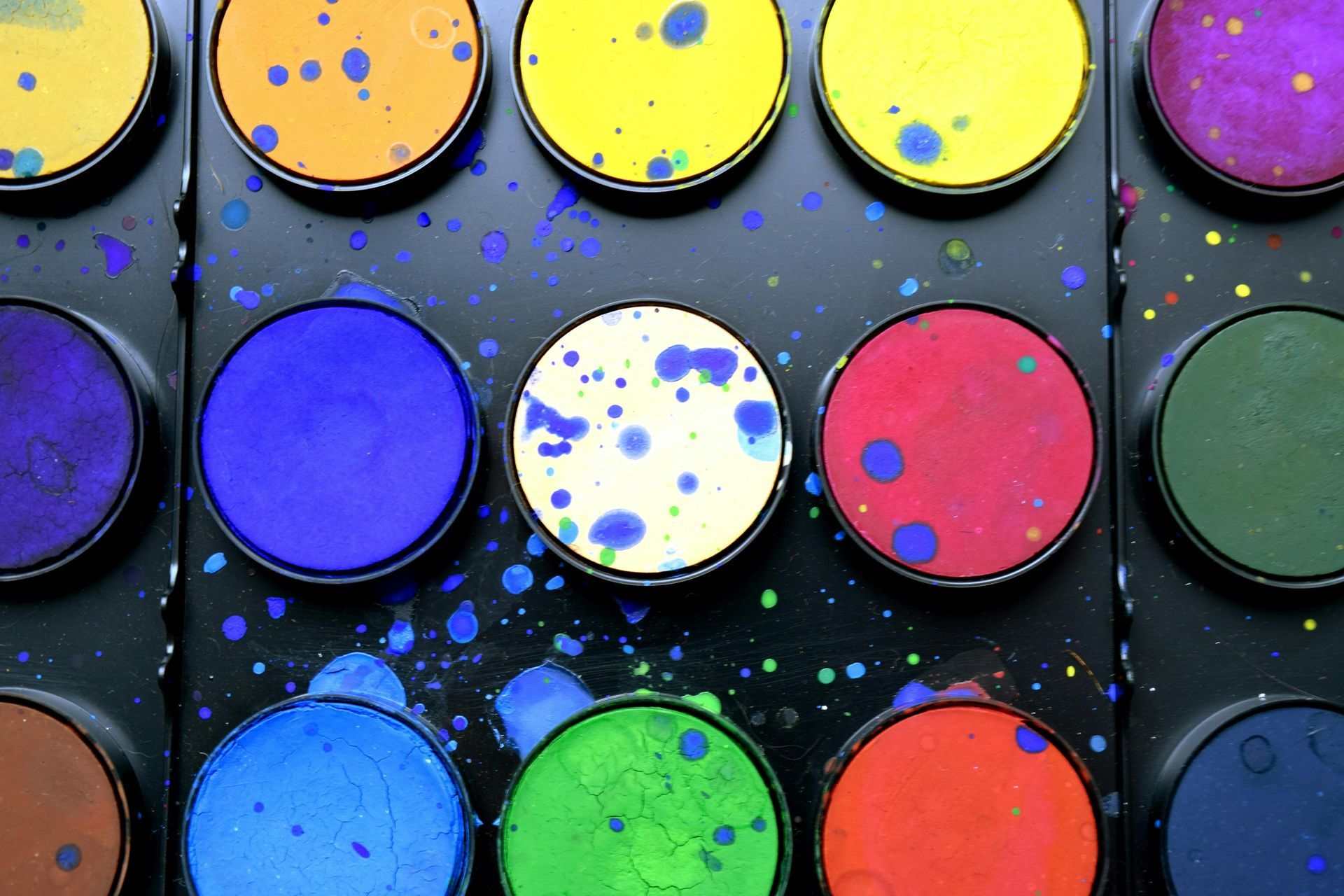
The Perfect Mix & Application
Once the color is finalized, each product is mixed and applied according to manufacturer specifications and kitchen-specific conditions. Kitchens require coatings that resist moisture, airborne grease, and frequent cleaning while maintaining consistent color and sheen.
Before painting begins, surfaces are thoroughly cleaned to remove residue, lightly sanded where needed, and primed to ensure proper adhesion. Our application process focuses on uniform coverage, clean edges, and durable finishes that hold up to daily use without premature wear.
How it works
1
Reach out by phone or form, and we’ll learn about your kitchen layout, needs, and timeline. We provide a clear initial estimate.
2
We visit your home, review the kitchen space, go through color options, and provide an exact quote.
3
We supply a prep checklist, protect surrounding areas, and complete the work as scheduled.
4
We review the finished kitchen with you and share tips to keep the paint looking great over time.


